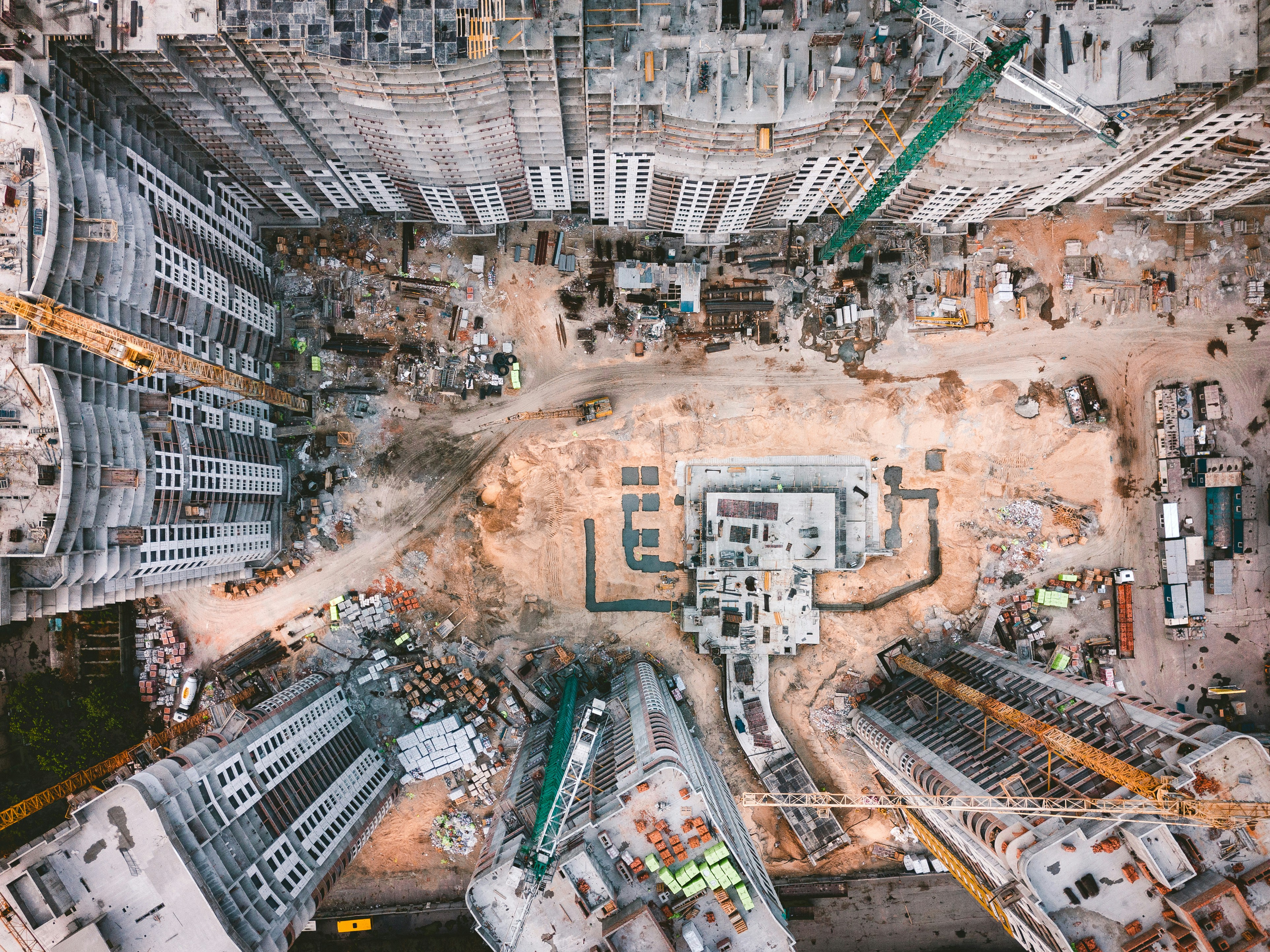
Construction
Why construction quality matters in every detail
Explore the importance of craftsmanship, safety standards, and technical supervision in creating reliable architectural spaces.
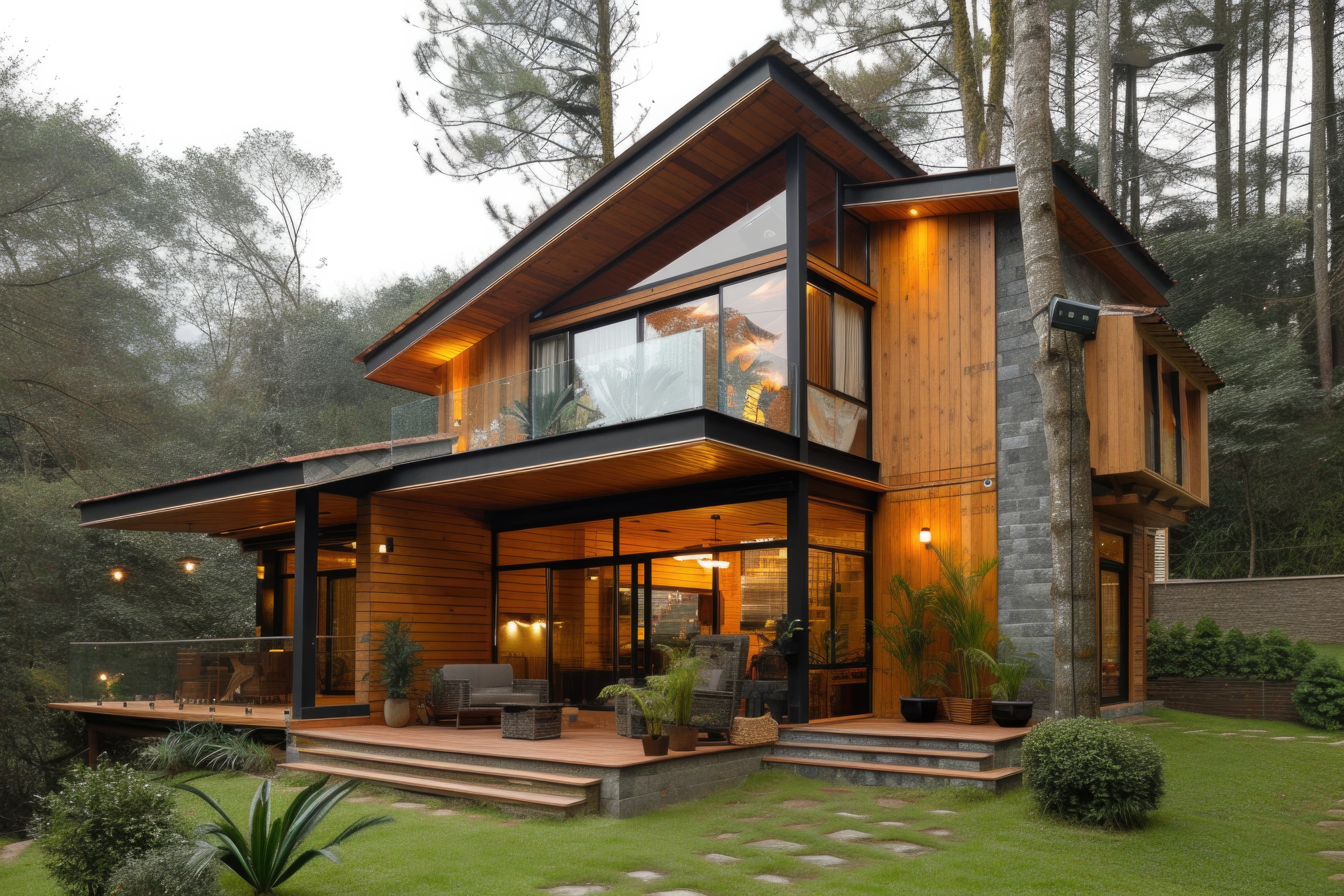
Great architecture is more than an idea on paper. The quality of a finished building depends on how carefully that idea is translated into materials, structures, connections, and details throughout the construction process.
A beautiful design can lose its character when materials are poorly installed, joints are overlooked, or finishes are rushed. On the other hand, careful construction can elevate even the simplest architectural concept. Quality is often found in the details that are barely noticed—but are experienced every day.
Quality Begins With the Foundation
Every successful building starts with elements that may never be visible once construction is complete.
Foundations, structural systems, waterproofing, drainage, and other hidden components determine the building's stability and long-term performance. Errors in these areas can become expensive problems later, making precision and proper execution essential from the earliest stages of construction.
Investing in quality at this stage creates a reliable foundation for everything that follows.
Precision Shapes the Final Result
Construction quality is often visible through alignment, proportion, and consistency.
The relationship between walls, doors, windows, flooring, cabinetry, and architectural features can dramatically influence how a space feels. Small deviations may seem insignificant individually, but repeated inconsistencies can affect the overall appearance of a finished interior.
Careful measurements, accurate fabrication, and skilled installation help ensure that every element works together as intended.
Materials Need Proper Execution
Even the highest-quality materials cannot perform at their best when they are incorrectly installed.
Timber needs appropriate preparation and protection. Stone requires careful cutting and installation. Concrete depends on correct mixing, placement, curing, and finishing. Waterproofing systems require precise detailing around joints and openings.
Construction quality therefore involves more than choosing premium materials. It is about understanding their characteristics and applying them correctly.
Details Protect Long-Term Performance
Architectural details are not purely decorative. Many of them exist to protect a building from everyday environmental conditions.
Roof edges, window junctions, drainage points, expansion joints, waterproofing transitions, and exterior finishes all need to be carefully considered. When these details are executed properly, they can prevent moisture intrusion, deterioration, and unnecessary maintenance.
Good detailing allows a building to perform quietly and reliably over time.
Craftsmanship Creates Character
Skilled craftsmanship brings another dimension to construction quality.
Hand-finished surfaces, carefully fitted joinery, precise tile layouts, and well-executed architectural details can give a space a sense of refinement. These qualities are difficult to achieve through materials alone.
Craftsmanship does not necessarily mean complexity. Simple details executed with precision can create a stronger impression than elaborate elements that lack consistency.
Quality and Everyday Experience
Construction quality directly affects how people experience a building.
Doors that close smoothly, floors that feel solid, windows that operate properly, surfaces that remain consistent, and spaces that maintain comfortable conditions all contribute to a sense of quality.
These details may not always attract attention, but they influence the daily experience of the people who use the space.
Building for Durability
A well-constructed building should be designed and built to withstand years of use.
Durability reduces the need for frequent repairs and replacements, helping preserve both the architectural character and the investment made in the project. Choosing appropriate materials, protecting vulnerable elements, and following proper construction methods can significantly extend the lifespan of a building.
Long-term thinking is therefore an essential part of construction quality.
Communication Is Part of Quality
Quality construction also depends on collaboration.
Architects, contractors, engineers, craftspeople, suppliers, and clients need a shared understanding of the design intent and technical requirements. Clear drawings, accurate specifications, regular coordination, and careful site supervision help reduce misunderstandings and prevent avoidable mistakes.
When everyone involved understands the desired outcome, individual decisions are more likely to contribute to a cohesive result.
The Value of Attention to Detail
The difference between an ordinary building and an exceptional one is often found in details that are easy to overlook.
A clean junction, a precise edge, a carefully aligned surface, or a thoughtfully resolved transition can make a space feel complete. These details demonstrate that every part of the project has been considered rather than simply completed.
Attention to detail is not about perfection for its own sake. It is about ensuring that design, craftsmanship, performance, and usability work together.
Quality That Lasts
Construction quality should ultimately be measured beyond the moment a project is completed.
A successful building continues to perform, age gracefully, and serve its occupants long after the construction team has left the site. Its materials remain durable, its spaces remain functional, and its architectural character remains intact.
That is why quality matters in every detail. From the foundation beneath the ground to the final finish inside a room, every decision contributes to the life of a building.
When thoughtful design is combined with precise construction and skilled craftsmanship, architecture becomes more than a finished structure. It becomes a lasting environment built to perform, endure, and be experienced for years to come.