Construction
Smart construction planning for efficient projects
Discover how strategic planning, timeline management, and coordinated workflows improve project efficiency and delivery.

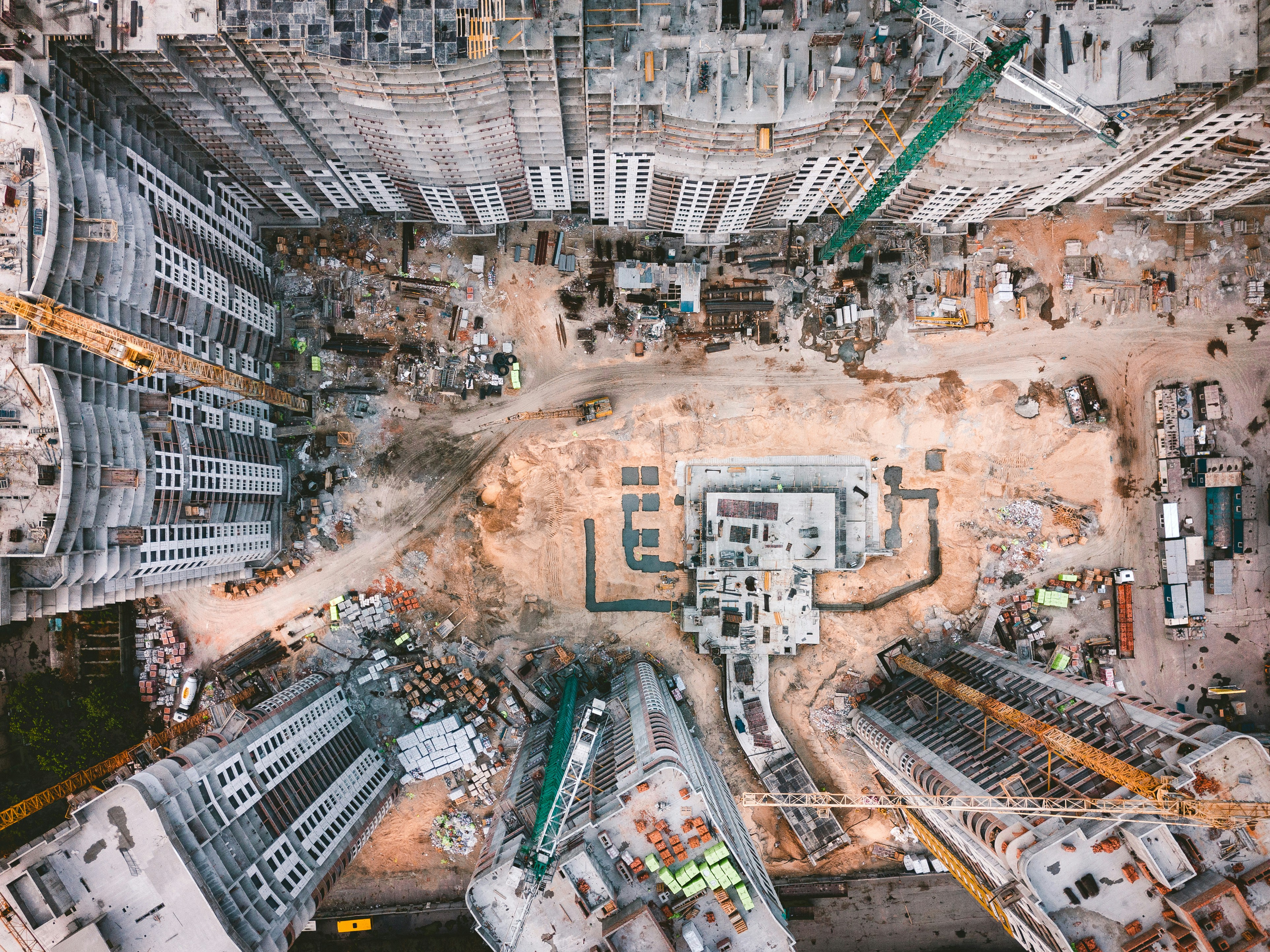
Successful construction projects begin long before the first stage of development starts on-site. Efficient construction planning creates the foundation for organized workflows, accurate budgeting, effective communication, and high-quality project execution. As modern projects continue to increase in scale and complexity, strategic planning has become essential for delivering spaces that meet both technical requirements and long-term client expectations.
At Cerette, we believe construction planning is not simply about scheduling tasks. It is a structured process that aligns architecture, engineering, budgeting, materials, and execution into one coordinated workflow designed for efficiency and lasting project value.
The Importance of Early Project Planning
Strong construction planning begins during the earliest stages of project development. Defining project goals, timelines, budgets, and technical requirements before construction starts helps reduce delays and minimize costly adjustments throughout the process.
Early planning also allows teams to identify potential challenges related to site conditions, material availability, regulations, and construction logistics. Addressing these factors before implementation creates smoother workflows and more predictable project outcomes.
Projects with organized planning structures are better equipped to maintain quality standards while improving overall efficiency across every development phase.
Creating Efficient Construction Workflows
Efficient workflows are essential for maintaining productivity and coordination during construction. Clear scheduling, organized sequencing, and structured communication help ensure that all project activities move forward without unnecessary delays or interruptions.
Construction planning should establish realistic timelines that align with labor coordination, material delivery, and technical implementation requirements. Well-structured workflows also improve collaboration between architects, contractors, suppliers, and project managers throughout the development process.
When construction activities are carefully coordinated, teams can reduce inefficiencies while maintaining consistent progress and quality control.
Managing Budget and Resources Effectively
Financial planning plays a critical role in successful construction management. Accurate budgeting helps control project costs while ensuring that resources are allocated efficiently throughout each development stage.
Construction planning involves evaluating material requirements, labor coordination, equipment usage, and operational expenses to maintain financial stability during execution. Strategic resource management also helps prevent delays caused by shortages, scheduling conflicts, or unexpected cost increases.
Careful budgeting improves decision-making while supporting long-term project efficiency and construction quality.
The Role of Technology in Construction Planning
Modern construction projects increasingly rely on digital tools and technology to improve planning accuracy and project coordination. Technologies such as 3D visualization, digital scheduling systems, and construction management platforms help teams monitor progress and improve communication across multiple project stages.
These tools provide better visibility into timelines, material coordination, and workflow performance while reducing the likelihood of miscommunication and technical errors. Digital planning systems also allow project teams to respond more efficiently to adjustments and evolving project requirements.
Technology continues to improve how modern construction projects are organized, managed, and executed.
Improving Communication and Collaboration
Construction projects involve collaboration between multiple teams, including architects, engineers, contractors, consultants, and suppliers. Effective communication is essential for maintaining project consistency and reducing misunderstandings during implementation.
Structured planning creates clearer responsibilities, organized reporting systems, and more transparent coordination across all project phases. Regular communication between teams allows issues to be identified early while improving decision-making and workflow efficiency.
Collaborative planning environments help ensure that architectural vision, technical execution, and construction quality remain aligned throughout the entire project lifecycle.
Ensuring Long-Term Project Quality
Efficient construction planning is directly connected to long-term building quality and operational performance. Organized planning allows teams to maintain technical precision, material consistency, and construction standards during every stage of execution.
Quality-focused planning also supports safety management, inspection processes, and long-term durability by ensuring that construction systems are implemented correctly from the beginning. Projects developed through structured planning processes are more likely to maintain their value, functionality, and architectural integrity over time.
Long-term project success depends on careful preparation as much as construction execution itself.
Conclusion
Smart construction planning creates the structure necessary for efficient, organized, and high-quality project delivery. Through strategic scheduling, effective budgeting, collaborative coordination, and modern planning technologies, construction projects can achieve stronger performance while minimizing delays and operational challenges.
At Cerette, we approach construction planning as an essential part of delivering successful architectural and development projects. By combining technical expertise with organized workflows and precise coordination, we create construction solutions designed for efficiency, quality, and long-term value.