Construction
Modern construction methods shaping future buildings
See how innovative technologies, sustainable materials, and advanced building systems are transforming modern construction practices.
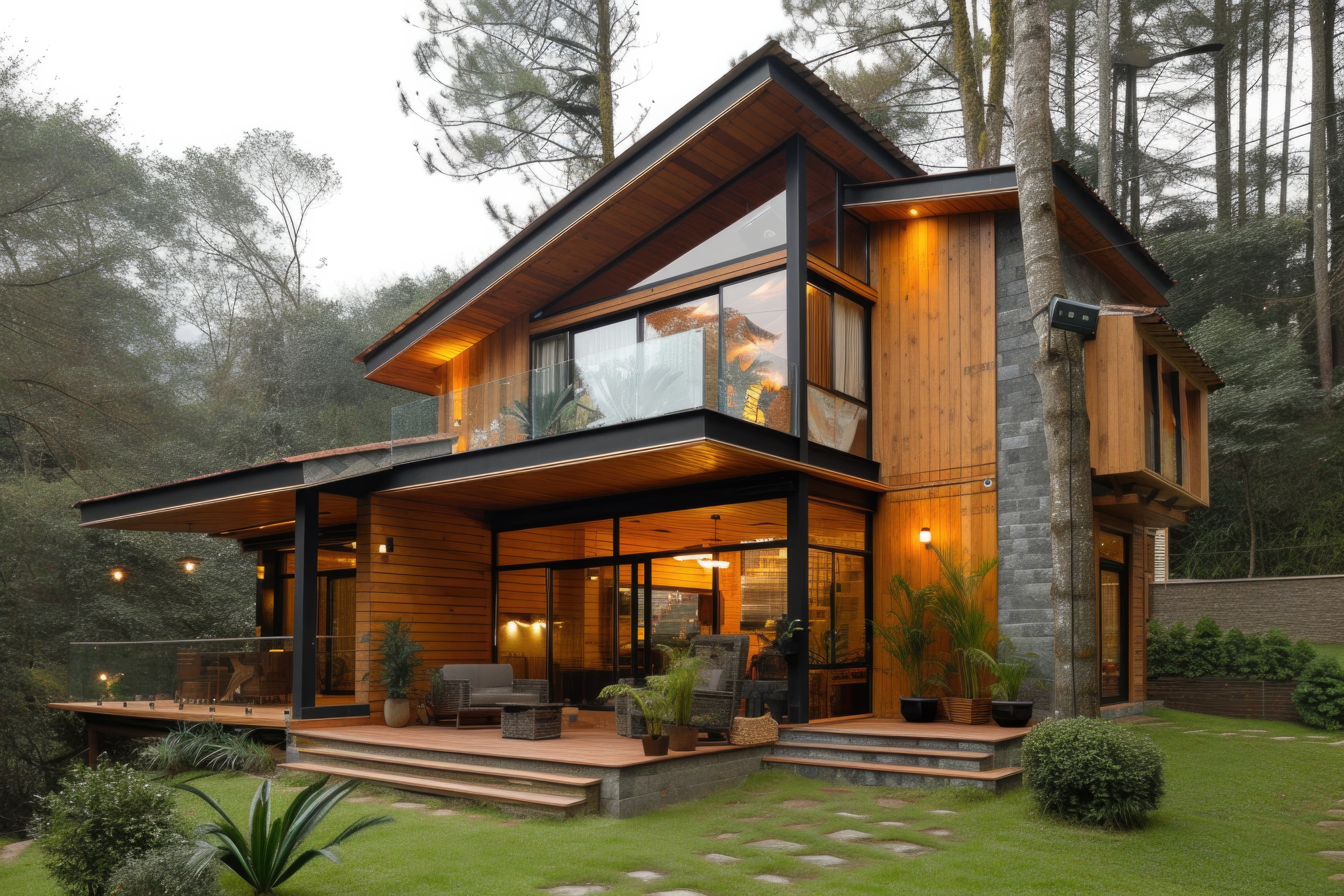
The construction industry continues to evolve through new technologies, innovative materials, and more efficient building processes. Modern construction methods are reshaping how buildings are planned, developed, and delivered by improving speed, precision, sustainability, and long-term performance. As urban environments become more complex and project demands continue to increase, construction innovation plays an essential role in shaping the future of architecture and development.
At Cerette, we believe modern construction is driven by a balance between technical advancement, quality execution, and sustainable building practices. Forward-thinking construction methods create smarter, more adaptable spaces designed for long-term value and modern living.
The Evolution of Construction Technology
Construction technology has significantly improved how projects are coordinated and executed. Digital planning systems, advanced visualization tools, and data-driven workflows allow teams to manage projects more efficiently while reducing errors during implementation.
Modern construction processes increasingly rely on integrated technologies that improve communication between architects, engineers, contractors, and project managers. These systems help streamline workflows, improve scheduling accuracy, and maintain better oversight throughout every development phase.
Technology-driven construction methods create more organized and efficient project environments.
Prefabrication and Modular Construction
Prefabrication and modular systems are becoming increasingly important within contemporary construction. These methods involve producing structural or architectural components in controlled environments before transporting them to the construction site for assembly.
This approach improves consistency, reduces material waste, and shortens construction timelines while maintaining quality standards. Controlled manufacturing environments also help minimize weather-related delays and improve implementation precision.
Modular construction continues to expand across residential, commercial, and large-scale development projects because of its efficiency and adaptability.
Sustainable Building Practices
Sustainability is now a central focus within modern construction methods. Future buildings are increasingly designed and constructed using environmentally responsible strategies that reduce energy consumption, waste, and long-term environmental impact.
Efficient insulation systems, energy-saving technologies, low-impact materials, and smart resource management all contribute to more sustainable construction outcomes. Construction teams also prioritize waste reduction and material optimization throughout the building process.
Sustainable construction supports healthier environments while improving operational efficiency and long-term building performance.
Smart Materials and Innovative Systems
Advancements in materials and construction systems continue to influence how modern buildings are developed. High-performance materials improve durability, structural efficiency, thermal performance, and maintenance requirements within architectural projects.
Innovative systems such as lightweight structural solutions, smart glazing technologies, and adaptive building components allow construction projects to achieve higher levels of flexibility and efficiency. These materials also help buildings respond more effectively to environmental conditions and evolving operational needs.
Modern construction increasingly focuses on combining performance with long-term adaptability.
Improving Construction Efficiency and Precision
Efficiency and precision remain essential goals within contemporary construction methods. Organized workflows, digital coordination, and advanced implementation techniques help reduce delays and improve project accuracy throughout development stages.
Construction teams now use advanced planning systems and real-time monitoring technologies to improve scheduling, track progress, and manage resources more effectively. This level of coordination helps minimize operational disruptions while maintaining consistent quality standards.
Improved efficiency allows projects to be completed faster without compromising structural integrity or architectural quality.
Designing Buildings for Future Adaptability
Future buildings must remain adaptable to changing technologies, environmental conditions, and lifestyle needs. Modern construction methods increasingly focus on creating flexible structures that can evolve over time without requiring extensive reconstruction.
Adaptable layouts, multifunctional systems, and scalable infrastructure help buildings remain relevant and efficient for future generations. This approach supports long-term sustainability while improving the lifespan and usability of architectural spaces.
Construction innovation is no longer focused solely on building faster, but also on building smarter and more responsibly.
Conclusion
Modern construction methods are transforming the future of architecture through improved technology, sustainable practices, efficient workflows, and innovative building systems. These advancements allow projects to achieve higher levels of precision, adaptability, and long-term performance while meeting the evolving demands of modern development.
At Cerette, we approach construction with a commitment to innovation, quality, and forward-thinking execution. By integrating modern construction methods into every stage of development, we create buildings designed to support future living, sustainability, and lasting architectural value.


