Architecture
Modern residential architecture with timeless appeal
Discover how minimalist forms, natural lighting, and balanced spatial planning create modern homes that remain elegant and functional over time.
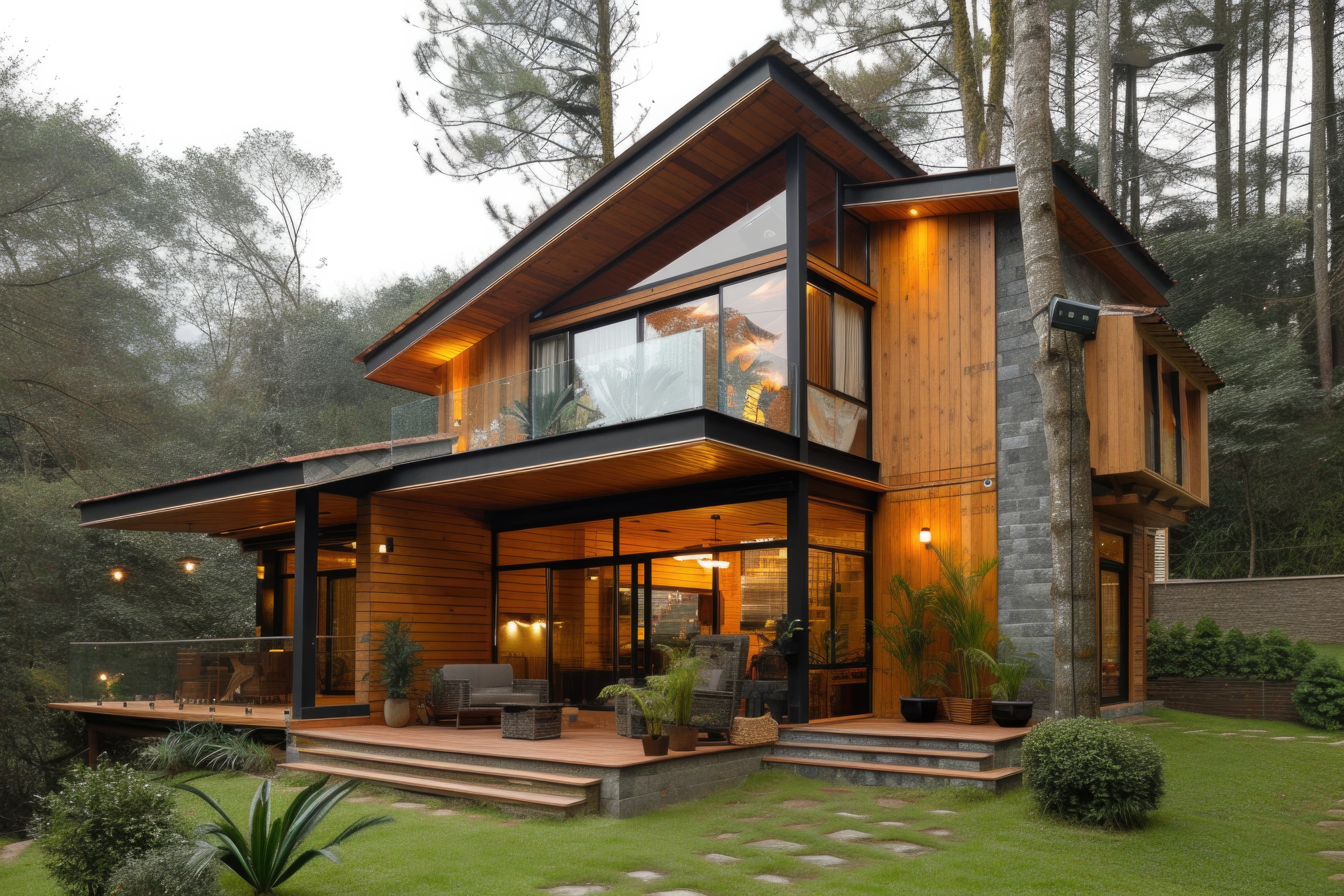
Modern residential architecture is often associated with clean lines, open spaces, and minimal detailing. Yet the most successful contemporary homes go beyond current trends. They are carefully designed to remain relevant, comfortable, and visually compelling long after the latest design movement has passed.
Creating a home with timeless appeal requires a balance between modern expression and enduring principles. Proportion, natural materials, thoughtful layouts, and a strong connection to the surrounding environment can create architecture that feels contemporary today while retaining its character for decades to come.
Beyond Trends
Architectural trends can change quickly. Colors, finishes, furniture styles, and decorative details may become outdated, but well-designed proportions and functional spaces rarely lose their value.
A timeless modern home therefore starts with a strong architectural foundation. Simple forms, balanced compositions, and carefully considered openings create a visual language that does not depend on temporary aesthetics.
Rather than following every new trend, designers can select contemporary elements that complement the architecture and can easily evolve over time.
The Beauty of Simplicity
Minimalism plays an important role in many modern residential projects, but simplicity does not mean emptiness.
A restrained material palette can allow architectural form, light, texture, and proportion to become the primary visual elements. Walls, ceilings, windows, and structural elements are carefully positioned so that every component contributes to the overall composition.
This approach creates spaces that feel calm and intentional without becoming cold or overly rigid.
Designing Around Natural Light
Natural light can transform the character of a home throughout the day.
Large windows, skylights, courtyards, and carefully positioned openings can bring changing patterns of light and shadow into the interior. Beyond improving the atmosphere, daylight can help strengthen the relationship between indoor and outdoor spaces.
The placement of openings should also respond to privacy, climate, orientation, and views. Instead of simply adding larger windows, timeless architecture considers how each opening contributes to the experience of the home.
Connecting Interior and Exterior
Modern residential architecture increasingly treats outdoor areas as an extension of the living environment.
Terraces, courtyards, gardens, balconies, and shaded outdoor rooms can create gradual transitions between the interior and landscape. Sliding doors and large openings can visually connect these areas while allowing residents to adapt the space according to weather and daily activities.
This relationship between architecture and landscape gives a home a sense of openness while maintaining a strong connection to its surroundings.
Materials That Age Gracefully
Material selection is central to creating lasting character.
Natural stone, timber, concrete, brick, metal, and glass can create a sophisticated contemporary palette while developing greater character as they age. Their textures and imperfections can become part of the architecture rather than something that needs to be hidden.
Durability should also guide material decisions. A material that performs well over time can reduce maintenance, replacement, and waste while preserving the original character of the home.
Flexible Spaces for Changing Lives
A timeless home should be able to adapt to the people living in it.
Family structures, working habits, technology, and daily routines can change considerably over the years. Flexible rooms, movable partitions, multifunctional spaces, and generous circulation areas can allow a home to respond without requiring major structural changes.
This adaptability is an important part of timeless design. Instead of designing exclusively for one moment in a family's life, architects can create spaces capable of evolving alongside their occupants.
Comfort as a Design Principle
A visually striking home is only successful when it is comfortable to live in.
Good residential architecture considers temperature, ventilation, acoustics, privacy, lighting, storage, and movement throughout the home. These practical elements may not always be immediately visible, but they strongly influence the everyday experience.
Passive strategies such as cross-ventilation, shading, thermal mass, and appropriate building orientation can improve comfort while reducing dependence on mechanical systems.
Creating a Sense of Permanence
Timeless architecture often feels grounded and purposeful.
This can come from the relationship between the building and its site, the use of durable materials, or the consistency of architectural details throughout the home. A restrained design language allows individual elements to work together rather than competing for attention.
The result is a home that feels considered rather than fashionable—a place with its own identity that can remain relevant as its surroundings and occupants change.
A Contemporary Home for the Long Term
Modern residential architecture does not need to choose between innovation and longevity. The two can coexist when new ideas are supported by enduring design principles.
Technology can improve efficiency and comfort. Contemporary materials can offer better performance. Flexible planning can accommodate changing lifestyles. Sustainable strategies can reduce environmental impact. Together, these elements can create homes that are prepared for the future without sacrificing architectural character.
The goal is not to predict exactly what residential design will look like decades from now. It is to create architecture with enough clarity, quality, and adaptability to remain valuable regardless of how trends evolve.
Timeless by Design
A timeless modern home is ultimately defined by more than its appearance.
It is shaped by thoughtful proportions, meaningful materials, natural light, functional planning, and a strong relationship with its environment. It responds to the present while remaining open to the future.
When architecture is designed with purpose rather than trends in mind, its appeal can extend far beyond the moment it is completed. The result is not simply a modern house, but a lasting environment designed to support life for years to come.