Architecture
Creating architectural harmony through natural light
Learn how strategic lighting, open layouts, and architectural positioning improve comfort, visual experience, and spatial atmosphere.
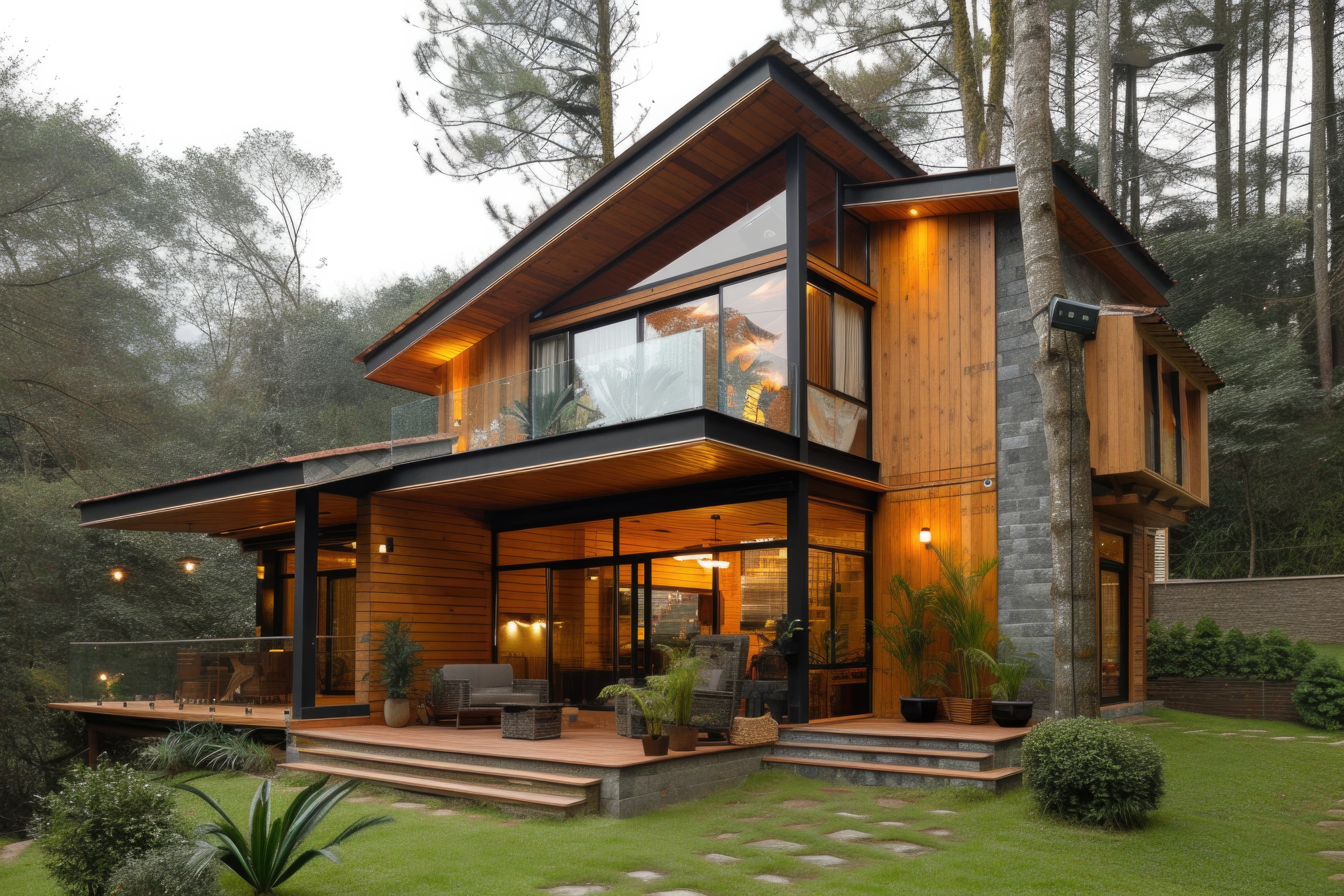
Natural light is one of the most powerful elements in architectural design. It can shape the atmosphere of a room, emphasize materials, define spatial relationships, and create a constantly changing connection between a building and its surroundings.
Unlike artificial lighting, daylight is never static. It changes throughout the day and across the seasons, creating subtle variations in brightness, shadow, color, and texture. When carefully considered, natural light can become an integral part of the architecture rather than simply a source of illumination.
Light as Part of the Design
Architecture is often experienced through the relationship between light and space.
A wall may appear solid and quiet in the morning, become dramatically illuminated at midday, and take on a softer character in the afternoon. These changes give a building a sense of movement even when its physical structure remains unchanged.
Designing with natural light means considering how sunlight will enter, travel through, and interact with each space. Window placement, ceiling height, openings, materials, and orientation all influence the final experience.
Understanding the Movement of the Sun
Effective daylight design begins with an understanding of the sun.
The direction and intensity of sunlight vary depending on the building's location, orientation, season, and time of day. Architects can use this information to determine where larger openings should be positioned and where shading may be necessary.
Morning light can create a gentle atmosphere, while stronger afternoon sunlight may require deeper overhangs, screens, or carefully controlled openings.
Rather than treating sunlight as something to control completely, thoughtful architecture works with its natural movement.
Creating Depth Through Shadow
Light and shadow are inseparable.
While daylight illuminates surfaces, shadows create depth, contrast, and definition. Recessed windows, projecting walls, screens, pergolas, and architectural overhangs can create changing shadow patterns throughout the day.
These variations can make simple architectural forms feel more dynamic without relying on excessive decoration.
The relationship between light and shadow can become a design language of its own.
Framing the Outside World
Windows are more than openings that bring light indoors. They can frame views and establish relationships between interior spaces and the surrounding landscape.
A carefully positioned window can turn a tree, garden, courtyard, or distant horizon into part of the interior experience. Smaller openings can create focused moments, while larger glazed surfaces can establish a stronger visual connection with the outdoors.
The most effective approach is not always to maximize the amount of glass, but to carefully consider what each opening reveals and how the view contributes to the space.
Materials That Respond to Light
Natural light can transform the appearance of materials.
Stone can reveal subtle textures and variations when illuminated from an angle. Timber can become warmer and more expressive as daylight moves across its surface. Plaster, concrete, glass, and metal can each respond differently to changing levels of light.
Material selection should therefore consider not only how a surface looks under artificial lighting or in a showroom, but also how it will respond to real daylight throughout the day.
Bringing Light Deeper Into the Interior
In deeper floor plans, daylight can sometimes struggle to reach the center of a building.
Courtyards, skylights, clerestory windows, light wells, internal voids, and open staircases can help distribute natural light further into the interior.
These strategies can also create visual connections between different levels and spaces, making the architecture feel more connected and open.
Even a small opening can have a significant effect when positioned carefully.
Balancing Brightness and Comfort
More daylight does not always mean better daylight.
Excessive direct sunlight can create glare, overheating, and uncomfortable contrasts between bright and dark areas. Successful daylight design therefore requires balance.
Shading devices, curtains, screens, vegetation, deep window reveals, and appropriate glazing can help control the intensity of incoming light while preserving the benefits of daylight.
The objective is to create comfortable illumination rather than simply maximize brightness.
Light and Human Experience
Natural light can also influence how people experience a space throughout the day.
A softly illuminated bedroom can feel calm in the morning. A bright living area can feel open and energetic during the day. Filtered light through vegetation or architectural screens can introduce a sense of privacy and tranquility.
These qualities make daylight an important part of creating spaces that feel connected to daily rhythms.
Supporting Sustainable Design
Thoughtful use of natural light can also contribute to more efficient buildings.
When interiors receive sufficient daylight, the need for artificial lighting can be reduced during certain periods. Combined with appropriate shading, insulation, ventilation, and energy-efficient systems, daylight strategies can support broader environmental goals.
Sustainable architecture therefore does not need to rely solely on technology. Sometimes, the most effective solutions come from understanding the natural conditions already available on the site.
Designing With Light, Not Just For Light
The most memorable spaces often use natural light as an architectural material.
It defines surfaces, emphasizes proportions, frames views, creates atmosphere, and connects interiors with the passing of time. Its changing nature allows a building to feel different from one hour to the next without changing its physical form.
Creating architectural harmony through natural light is ultimately about finding balance—between brightness and shadow, openness and privacy, interior and exterior, structure and atmosphere.
When daylight is considered from the earliest stages of design, it becomes more than a functional necessity. It becomes part of the identity of the architecture itself.