Architecture
Designing sustainable spaces for future living
Explore how sustainable architecture combines modern aesthetics, energy efficiency, and smart materials to create environmentally responsible spaces for future generations.
Sustainability is no longer an optional consideration in architecture and interior design. As cities grow, resources become more limited, and people spend more time thinking about the environmental impact of their surroundings, the way we design and build spaces is changing.
Sustainable design is about creating places that respond to today's needs without compromising the ability of future generations to live well. It brings together thoughtful architecture, responsible material choices, energy efficiency, natural elements, and long-term functionality to create spaces that are both environmentally conscious and comfortable to live in.
A New Approach to Modern Living
The future of sustainable design is not simply about adding solar panels or choosing recycled materials. It requires a more holistic approach to how a space is planned, constructed, used, and maintained throughout its lifetime.
Every decision matters—from the orientation of a building and the amount of natural light it receives to the materials used for furniture and finishes. When these elements are considered together, a space can become more efficient while also creating a healthier and more enjoyable environment.
Good sustainable design should feel natural rather than restrictive. The goal is to create spaces where environmental responsibility and everyday comfort exist together.
Designing With the Environment
One of the most effective ways to create sustainable spaces is to work with the surrounding environment rather than against it.
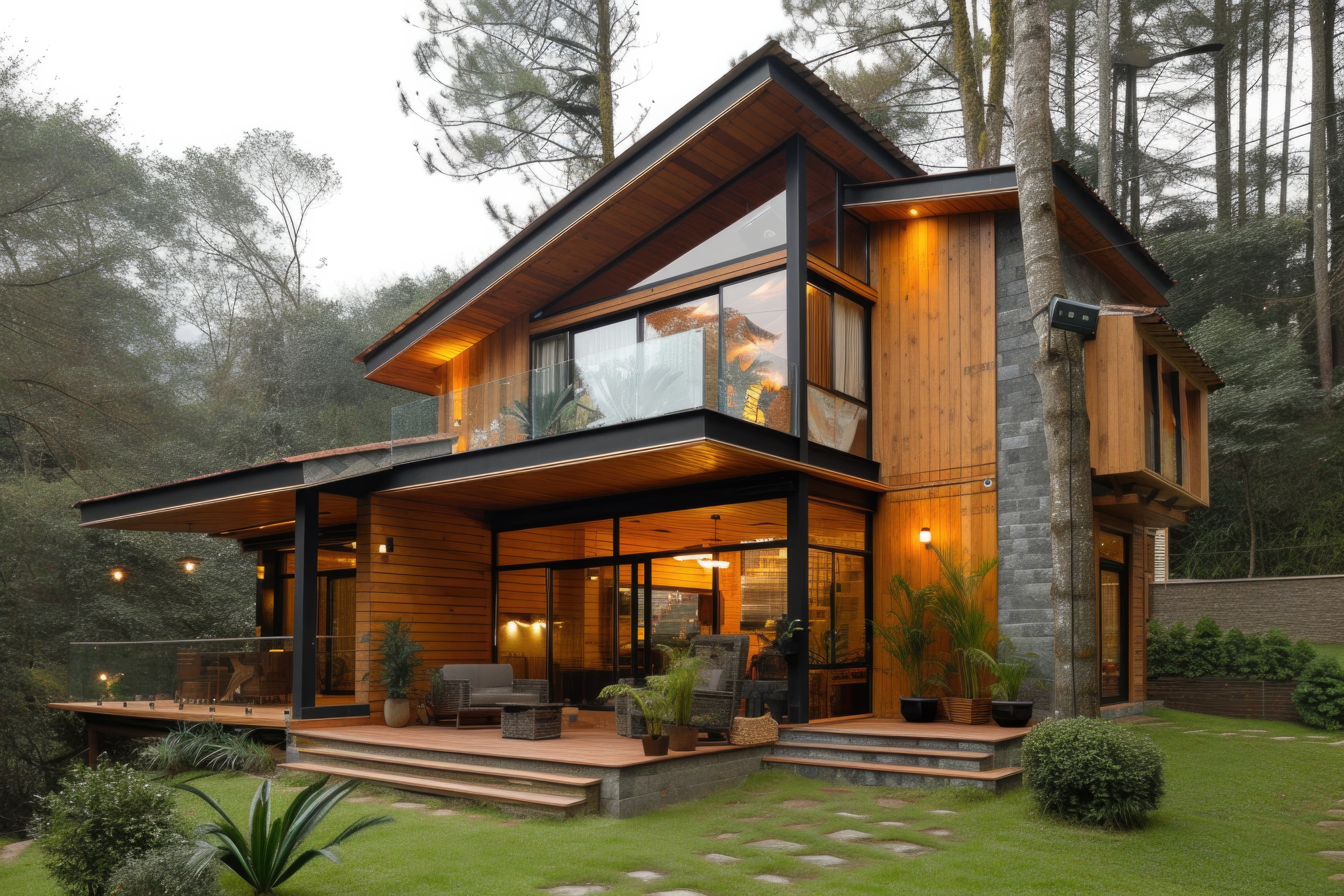
Building orientation can be carefully considered to maximize natural daylight while reducing unwanted heat. Windows can be positioned to encourage cross-ventilation, reducing dependence on mechanical cooling. Outdoor spaces can provide shade, improve air quality, and create a stronger connection between interior and exterior environments.
These strategies can reduce energy consumption while making spaces feel brighter, cooler, and more connected to nature.
The Importance of Material Choices
Materials play a significant role in the environmental impact of a project.
Sustainable design considers where materials come from, how they are produced, how long they will last, and what happens to them at the end of their useful life. Locally sourced materials can reduce transportation impacts, while durable materials can extend the lifespan of a space and reduce the need for frequent replacement.
Natural materials such as timber, stone, clay, and bamboo can also introduce warmth and texture into contemporary interiors when responsibly sourced.
Rather than following short-lived trends, designers can focus on materials that age well and remain relevant for years to come.
Energy-Efficient Spaces
Energy efficiency is another important part of sustainable living.
A well-designed building can reduce its energy requirements through passive design strategies before relying on technology. Effective insulation, natural ventilation, daylighting, shading, and efficient building envelopes can all contribute to lower energy consumption.
Renewable energy systems can then complement these strategies. Solar panels, efficient lighting, smart climate controls, and energy-monitoring systems can help buildings use resources more intelligently.
The most effective approach is often to reduce unnecessary energy demand first, then use technology to meet the remaining needs efficiently.
Bringing Nature Into Everyday Life
Biophilic design—the practice of creating stronger connections between people and nature—has become increasingly relevant to contemporary spaces.
Plants, natural materials, water, daylight, natural textures, and views of the outdoors can make interiors feel more comfortable and inviting. These elements can also help create a stronger relationship between architecture and its surroundings.
Even in dense urban environments, small interventions can make a difference. A planted balcony, internal courtyard, green wall, or carefully positioned window can introduce natural elements into everyday routines.
Sustainable design is therefore not only about protecting the environment. It is also about creating environments that support the people who use them.
Designing for Longevity
One of the most sustainable choices a designer can make is to create a space that does not need to be replaced quickly.
Durability, adaptability, and timeless design can significantly extend the useful life of a building or interior. Flexible layouts allow spaces to respond to changing lifestyles, family structures, technologies, and working patterns without requiring major renovations.
Furniture and architectural elements that can be repaired, reused, or adapted can further reduce waste.
Instead of asking, “What does this space need today?” sustainable design asks, “How can this space continue to work well years from now?”
Smaller Footprints, Better Experiences
Sustainable living does not necessarily require larger or more complicated spaces. In many cases, thoughtful planning can achieve more with less.
Compact layouts, multifunctional furniture, integrated storage, and flexible rooms can make smaller spaces feel more comfortable and functional. Reducing unnecessary construction can also decrease material consumption and long-term maintenance requirements.
The emphasis shifts from quantity to quality: fewer elements, carefully considered, with each one serving a clear purpose.
The Role of Technology
Technology will continue to influence the future of sustainable spaces.
Smart systems can monitor energy consumption, adjust lighting and temperature, manage water use, and provide information that helps occupants make more conscious decisions. Building management systems can also identify inefficiencies and optimize performance over time.
However, technology should support good design rather than replace it. A smart system cannot compensate for poor orientation, inadequate insulation, or inefficient planning.
The strongest results come when technology and architectural principles work together.
Creating Healthier Interiors
Sustainability also extends to the health and wellbeing of occupants.
Indoor air quality, natural ventilation, daylight, acoustics, thermal comfort, and low-emission materials can all influence how people experience a space. Choosing materials with fewer harmful emissions and designing for adequate airflow can create healthier interior environments.
This broader perspective changes the definition of sustainable design. A truly responsible space considers not only its impact on the planet but also its impact on the people who inhabit it.
Looking Toward the Future
The future of sustainable architecture and interiors will not be defined by one particular style. Instead, it will be shaped by better decisions, more efficient systems, responsible materials, and a deeper understanding of how spaces interact with people and the environment.
Designers have an opportunity to create spaces that are adaptable, efficient, resilient, and timeless. Homeowners and occupants also play an important role through the way they use, maintain, and adapt those spaces.
Sustainability is ultimately a long-term mindset. It means designing with greater awareness of where materials come from, how resources are consumed, how buildings evolve, and what kind of environment we want to leave behind.
The spaces of tomorrow should not simply look toward the future. They should be designed to remain valuable within it.
Designing With Purpose
Sustainable design is not about sacrificing beauty, comfort, or functionality. It is about finding better ways to bring them together.
By designing thoughtfully today, we can create spaces that use fewer resources, support healthier lifestyles, adapt to changing needs, and remain meaningful for generations.
The future of living begins with the decisions we make about the spaces around us—and every thoughtful design choice is a step toward a more sustainable built environment.