Interior
Modern interior concepts inspired by simplicity
See how clean lines, neutral palettes, and intentional design choices create sophisticated interiors with lasting visual appeal.
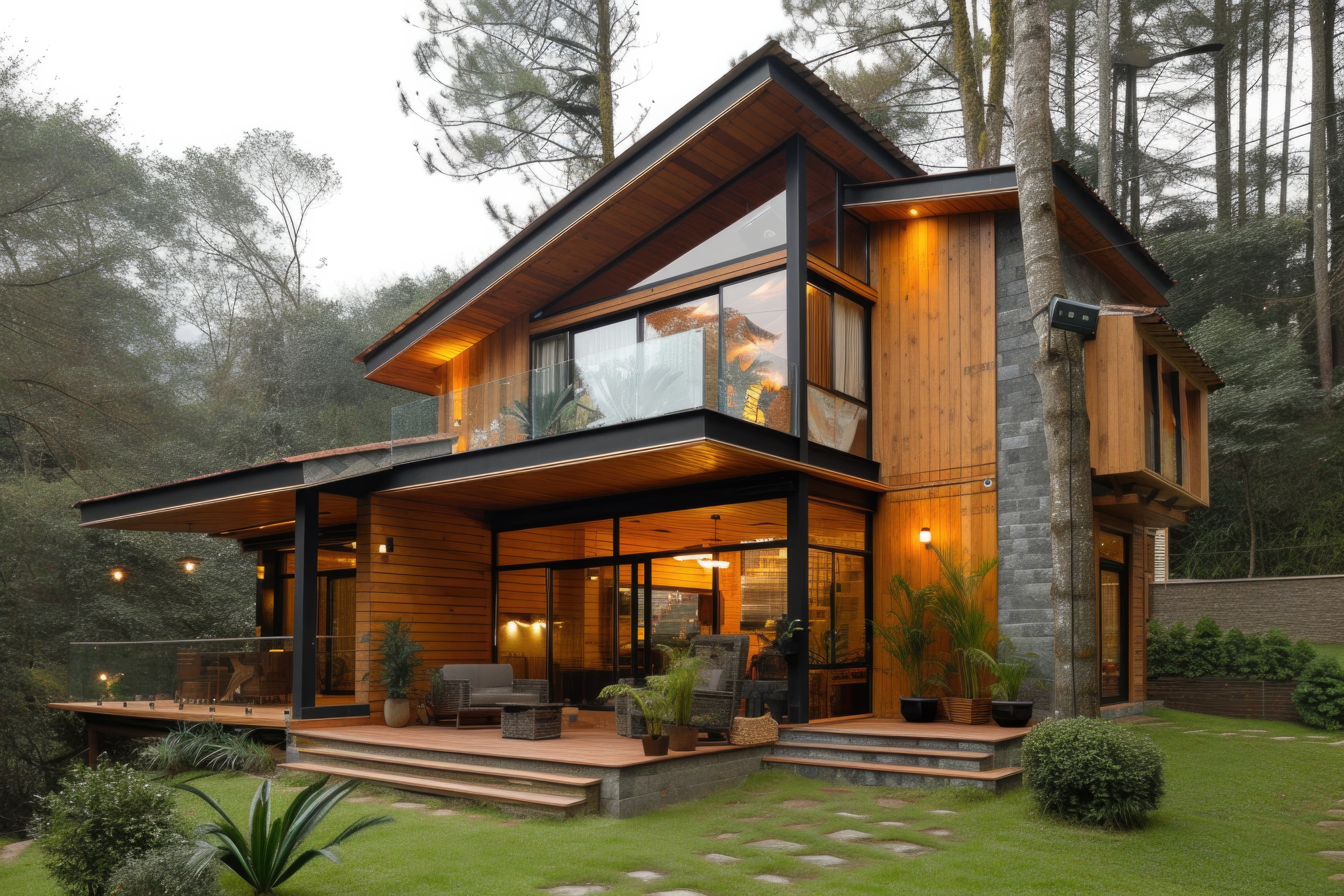
Modern interiors do not need to be complicated to feel sophisticated. In many contemporary spaces, the most powerful design ideas come from simplicity—clear forms, thoughtful proportions, natural materials, and carefully considered details.
Simplicity is not about removing everything from a room. It is about understanding what the space truly needs and giving each element enough room to contribute. When unnecessary visual noise is reduced, architecture, materials, light, and everyday objects can become more meaningful.
The Beauty of Less
A simple interior begins with a clear sense of purpose.
Instead of filling a room with decorative elements, designers can focus on the essential components: comfortable furniture, functional storage, appropriate lighting, and materials that create warmth and character.
This approach creates visual calm while allowing individual pieces to stand out. A single sculptural chair, textured wall, or carefully selected artwork can have a stronger impact when surrounded by space.
Simplicity gives important elements room to breathe.
Clean Forms and Clear Proportions
Modern interiors often rely on simple geometric forms and balanced proportions.
Straight lines, restrained curves, and uncomplicated architectural volumes can create a sense of order. Rather than relying on elaborate ornamentation, the design communicates through scale, composition, and relationships between elements.
Proportion is especially important in minimalist interiors. The size of furniture, ceiling height, openings, and circulation areas should work together to create a space that feels comfortable rather than empty.
A Restrained Material Palette
Using fewer materials can create a stronger visual identity.
Timber, stone, concrete, plaster, glass, and metal can be combined in subtle ways to create contrast through texture rather than excessive color. Natural materials are particularly effective because their imperfections and variations introduce character without adding visual complexity.
A restrained palette also creates continuity between different rooms, helping the entire interior feel connected.
Letting Natural Light Lead
Light becomes especially important when an interior has a simple design language.
Large openings, skylights, courtyards, and carefully positioned windows can introduce changing patterns of light and shadow throughout the day. These natural variations add depth and movement without requiring additional decoration.
Soft daylight can emphasize textures, highlight architectural forms, and make neutral spaces feel warmer and more dynamic.
In a simple interior, light itself becomes part of the composition.
Thoughtful Storage
Clutter can quickly disrupt the calm atmosphere of a minimalist space.
Integrated storage provides a practical solution by keeping everyday objects organized and visually controlled. Built-in wardrobes, concealed cabinets, recessed shelving, and multifunctional furniture can reduce unnecessary visual interruptions.
Good storage should not simply hide belongings. It should be integrated into the architecture so naturally that it becomes part of the overall design.
Creating Warmth Through Texture
Minimalism does not have to feel cold.
Texture can introduce warmth and depth while maintaining a restrained aesthetic. Natural timber, woven fabrics, stone surfaces, handmade ceramics, textured plaster, and soft upholstery can create tactile variety without overwhelming the space.
The combination of smooth and textured surfaces allows a simple palette to feel rich and inviting.
Furniture With Purpose
Furniture should serve both functional and visual roles.
Instead of choosing many individual pieces, designers can focus on furniture that has strong proportions, comfortable forms, and lasting appeal. A well-designed sofa, dining table, or lounge chair can become an important architectural element within the room.
Multifunctional pieces can also support flexible living, particularly in smaller homes where every square meter needs to work efficiently.
Creating Visual Balance
Simplicity depends on balance.
Empty space can be just as important as the objects placed within it. Carefully planned negative space allows furniture, artwork, and architectural features to be appreciated without creating visual tension.
This does not mean every room needs to be perfectly symmetrical. Balance can also come from differences in scale, texture, height, and visual weight.
The result should feel intentional rather than rigid.
Designing for Everyday Life
A simple interior should still feel lived in.
Spaces need to accommodate daily routines, personal belongings, changing needs, and moments of relaxation. A beautiful room that is difficult to use will quickly lose its appeal.
Successful modern interiors therefore combine aesthetic restraint with practical thinking. Comfortable circulation, accessible storage, durable finishes, and flexible furniture all help create spaces that remain functional over time.
Timeless Rather Than Trend-Driven
Simplicity can help interiors remain relevant as trends change.
Instead of relying heavily on fashionable colors, decorative styles, or temporary visual effects, a timeless interior can establish its character through proportion, materials, craftsmanship, and natural light.
Personal objects and furnishings can then be updated as lifestyles change without requiring the entire interior to be redesigned.
This creates a flexible foundation that can evolve naturally over time.
The Quiet Power of Simplicity
The strongest modern interiors often communicate through restraint.
Every element has a purpose. Every material contributes something. Every opening is considered. Every piece of furniture supports the way the space is used.
When unnecessary elements are removed, the qualities that remain become more noticeable: the texture of a surface, the warmth of timber, the movement of daylight, or the relationship between a room and its surroundings.
Simplicity is therefore not simply an aesthetic choice. It is a way of designing with greater intention.
A modern interior inspired by simplicity creates space for what matters most—comfort, functionality, natural beauty, and the everyday experiences that give a home its character.