Interior
Creating timeless interiors for modern lifestyles
Discover how balanced layouts, refined materials, and minimalist aesthetics create interior spaces that feel modern, functional, and timeless.
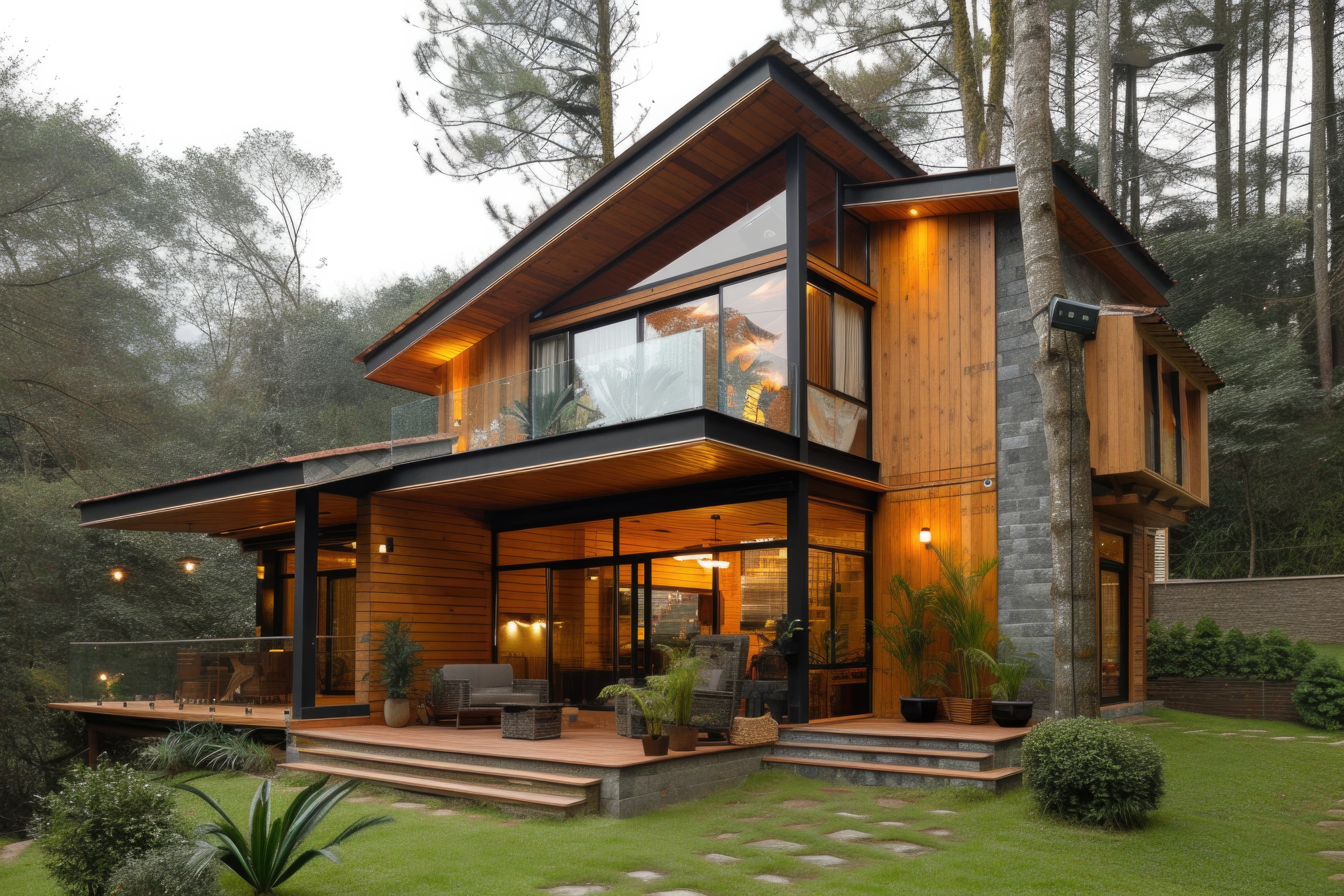
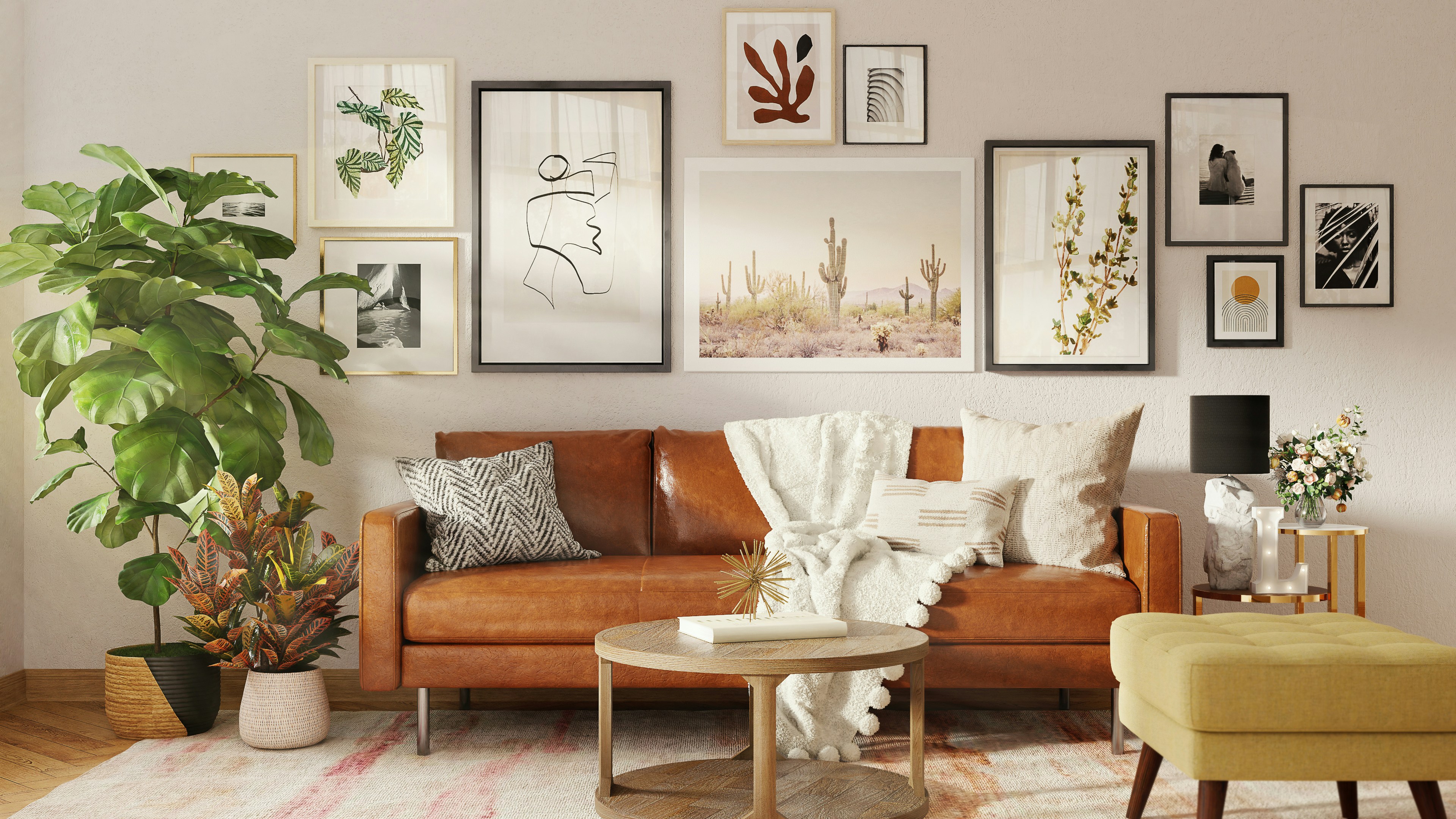
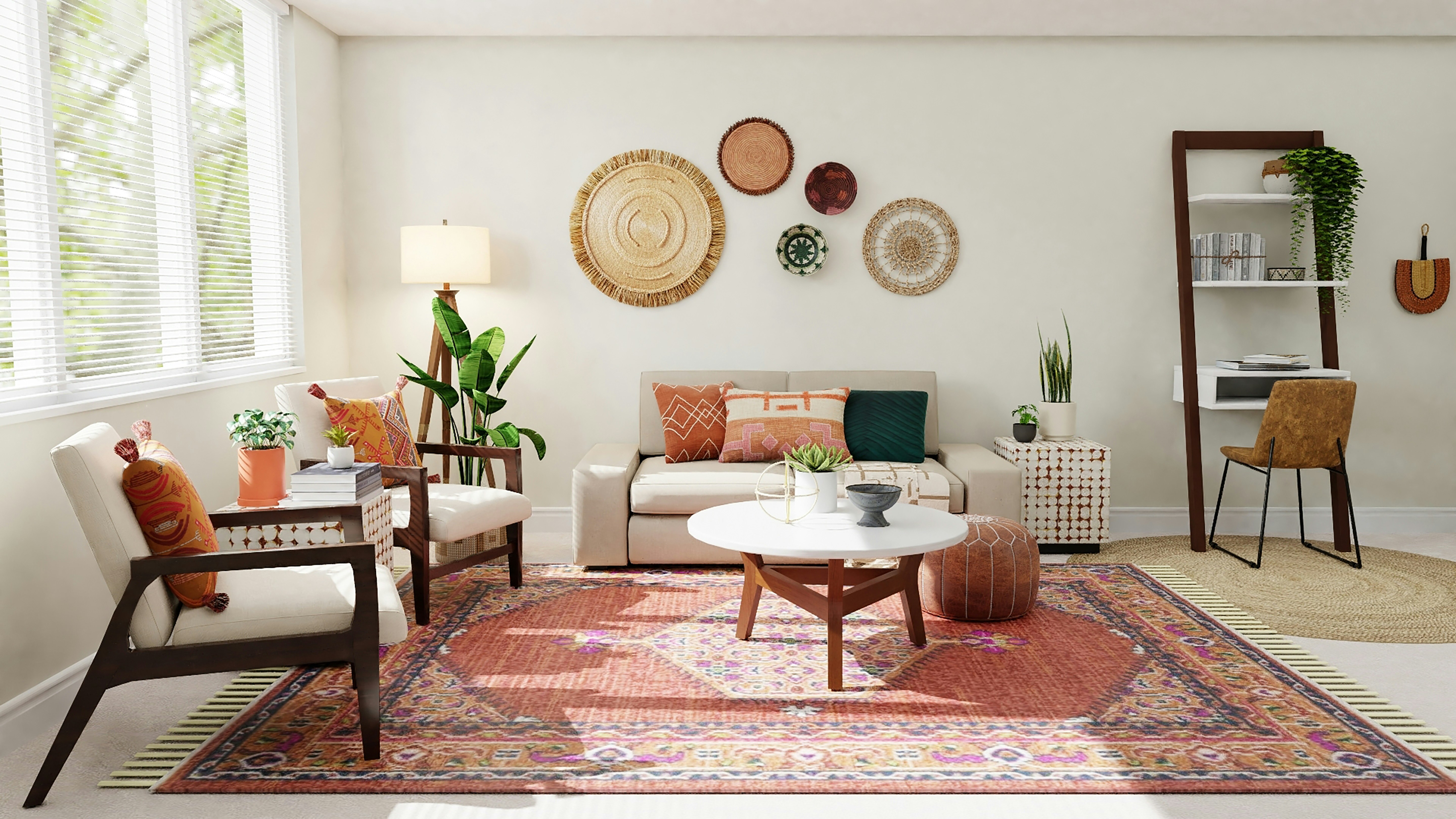
Interior design continues to evolve alongside modern lifestyles, but timeless spaces remain defined by balance, functionality, and thoughtful simplicity. Rather than following short-term trends, timeless interiors focus on creating environments that feel refined, comfortable, and adaptable for years to come. Through careful material selection, spatial planning, and modern aesthetics, interior spaces can maintain their visual appeal while supporting everyday living experiences.
At Cerette, we believe timeless interiors are built around intentional design decisions that combine elegance with practicality. Every element within a space should contribute to both visual harmony and long-term usability.
The Importance of Functional Space Planning
A timeless interior begins with effective spatial planning. Modern lifestyles require spaces that feel open, flexible, and efficient without sacrificing comfort or aesthetics. Proper circulation, balanced layouts, and purposeful zoning help create environments that support both daily routines and social interaction.
Open-plan concepts continue to play an important role in modern interior design because they improve natural light flow and create stronger visual connections between spaces. However, functionality remains the foundation of every successful layout. Furniture placement, storage integration, and movement within the space should feel natural and intuitive.
Thoughtful planning also allows interiors to adapt over time, making spaces more sustainable and suitable for changing lifestyle needs.
Choosing Materials That Last
Material selection is one of the most important aspects of creating timeless interiors. Natural textures, durable finishes, and balanced color palettes help spaces maintain their visual quality over long periods. Materials such as wood, stone, linen, and textured metals continue to remain relevant because they create warmth and architectural depth without feeling overly decorative.
Neutral tones are commonly used in timeless interiors because they provide flexibility and visual calmness. Instead of relying on strong trend-driven colors, modern timeless spaces focus on layered textures, subtle contrasts, and refined finishes that create sophistication through simplicity.
Durability is equally important. Selecting long-lasting materials helps reduce maintenance while improving the overall value and longevity of the interior environment.
The Role of Natural Lighting
Lighting plays a significant role in shaping the atmosphere and functionality of modern interiors. Timeless spaces often maximize natural light through open layouts, large windows, and carefully positioned architectural elements. Natural lighting improves comfort, enhances material textures, and creates a stronger connection between interior and exterior environments.
Layered lighting strategies also contribute to balanced interior experiences. Combining ambient lighting, accent fixtures, and task-oriented solutions allows spaces to remain adaptable throughout different times of day while maintaining warmth and visual consistency.
Modern lighting design should feel integrated into the architecture rather than overly dominant within the space.
Balancing Minimalism and Comfort
Minimalist interiors continue to influence modern design, but timeless spaces avoid feeling empty or overly rigid. The goal is to achieve clarity and simplicity while still maintaining warmth, personality, and comfort.
This balance is often created through carefully selected furniture, soft textures, organic materials, and subtle architectural details. Rather than filling spaces with excessive decoration, timeless interiors focus on meaningful elements that contribute to the overall atmosphere and functionality of the environment.
Comfort should always remain a priority. Spaces designed around human experience naturally feel more inviting, adaptable, and enduring over time.
Designing for Long-Term Living
Timeless interiors are not only visually refined but also designed for long-term practicality. Modern living spaces should support flexibility, durability, and evolving lifestyle requirements without requiring constant redesign.
Integrated storage, multifunctional layouts, and adaptable furnishings help interiors remain efficient and relevant over time. Sustainable design thinking also contributes to long-term value by encouraging responsible material choices, energy efficiency, and thoughtful space utilization.
When interiors are designed with longevity in mind, they become more than aesthetically pleasing environments — they become spaces that continue to support everyday living experiences for years.
Conclusion
Creating timeless interiors for modern lifestyles requires more than following current design trends. It involves thoughtful planning, refined material selection, balanced lighting, and a deep understanding of how people interact with spaces. By combining modern simplicity with lasting functionality, interiors can remain elegant, adaptable, and meaningful over time.
At Cerette, we approach interior design as a balance between aesthetics, comfort, and long-term living quality. Through intentional design decisions and modern architectural thinking, timeless interiors become spaces that continue to inspire modern lifestyles for generations.