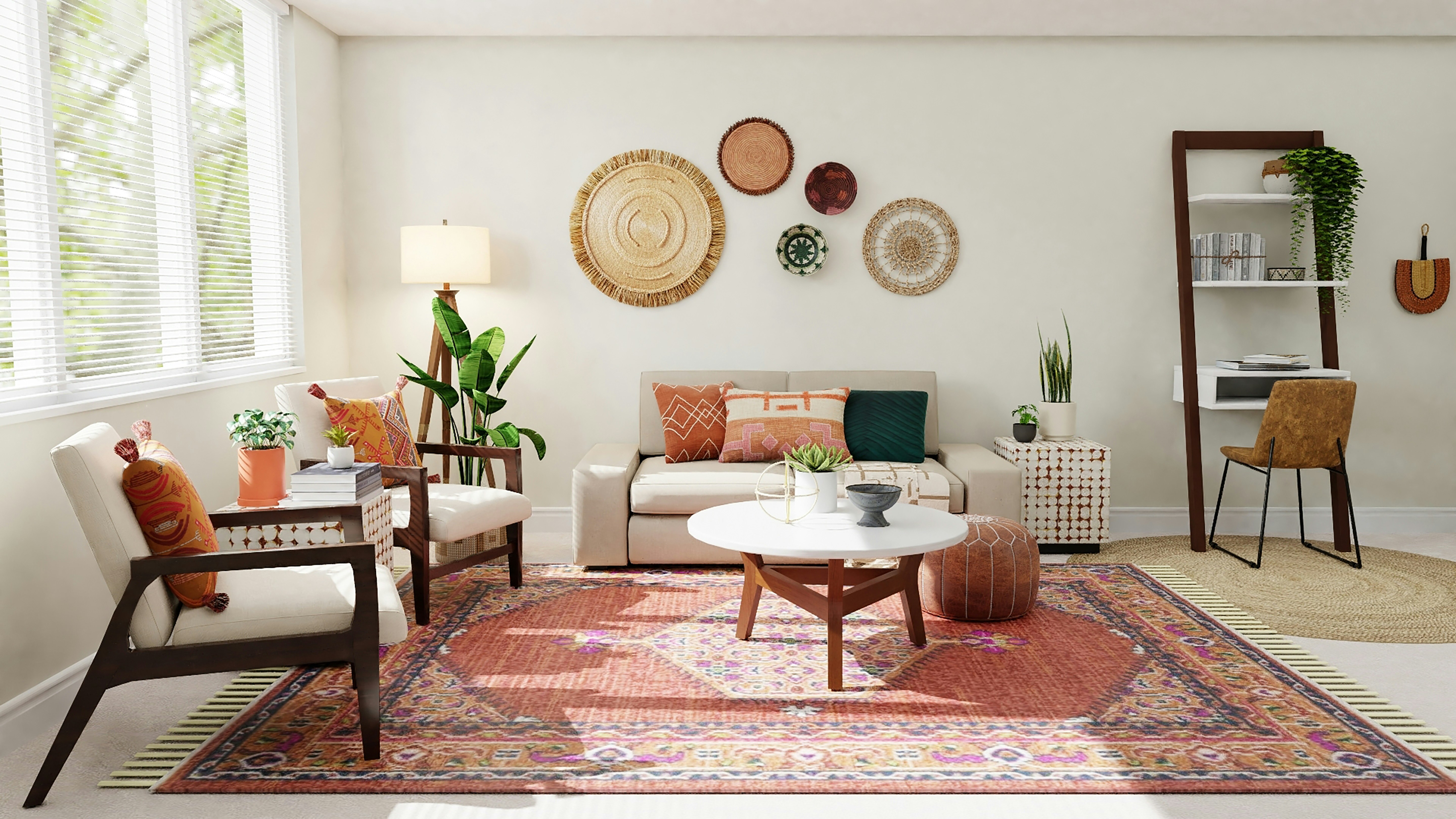
Interior
Designing functional interiors with elegant details
Learn how thoughtful furniture placement, material selection, and spatial flow improve comfort and visual harmony within every room.
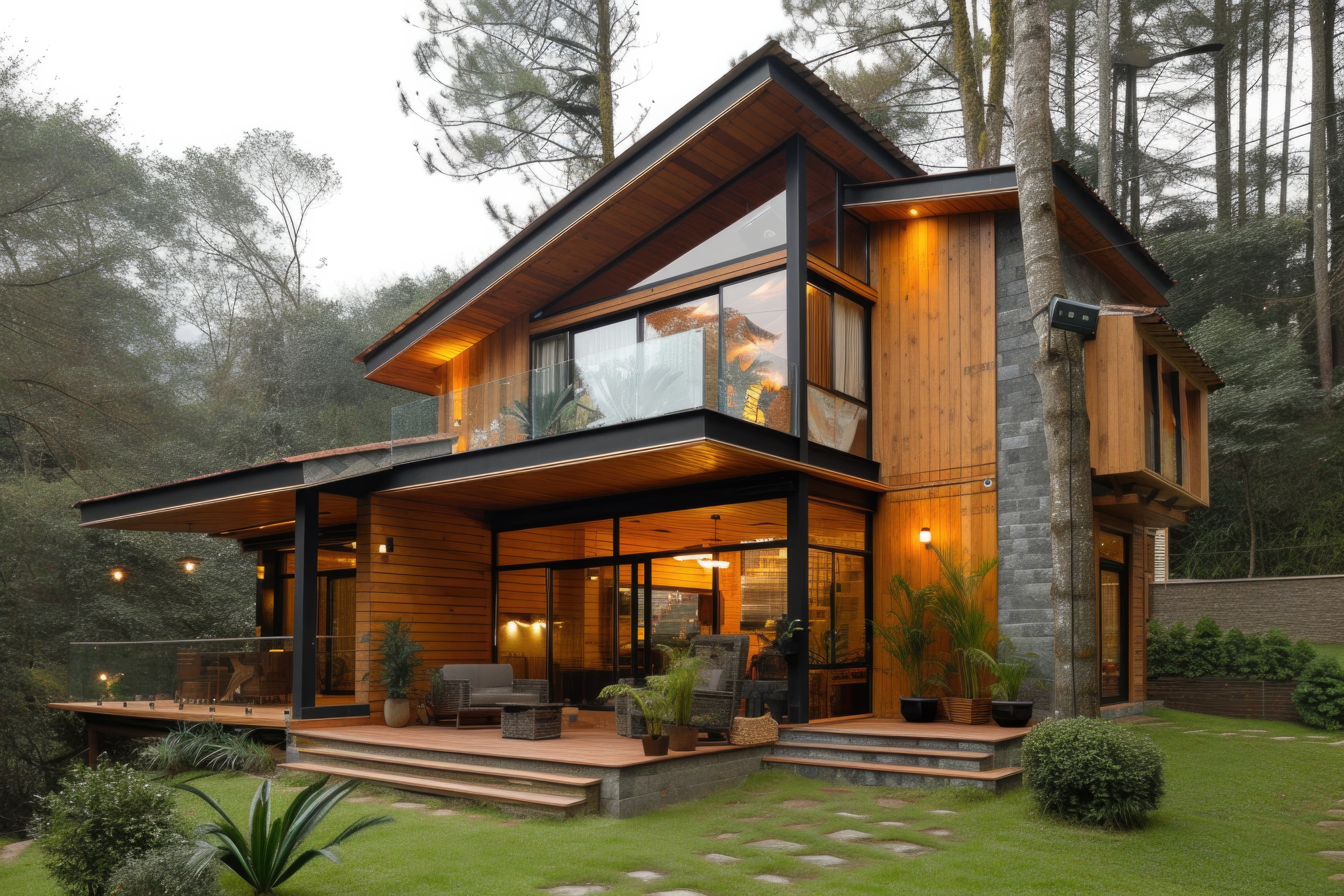
A well-designed interior should do more than look beautiful. It should make everyday life easier, more comfortable, and more enjoyable. The most successful interiors find a natural balance between practical function and refined aesthetics, creating spaces that feel both effortless and intentional.
Elegant interiors are not necessarily defined by expensive materials or elaborate decoration. Often, their character comes from thoughtful proportions, carefully selected materials, subtle details, and a clear understanding of how people use the space.
Function Comes First
Every interior begins with an understanding of how the space will be used.
The arrangement of furniture, circulation paths, storage, lighting, and architectural elements should respond to everyday activities. A living room needs to encourage conversation and relaxation, while a kitchen needs to support preparation, movement, and organization.
When function is considered from the beginning, aesthetic decisions become more meaningful. Beauty becomes part of the way the space works rather than something added afterward.
Creating a Clear Spatial Flow
Good interiors should feel intuitive to move through.
Furniture placement, openings, transitions between rooms, and circulation areas all contribute to how people experience a space. Avoiding unnecessary obstacles and maintaining appropriate proportions can make even a compact interior feel open and comfortable.
Open-plan layouts can create visual continuity, while carefully positioned architectural elements can define different zones without making the space feel divided.
The goal is to create a natural rhythm between spaces, allowing each area to have its own purpose while remaining connected to the larger interior.
The Elegance of Restraint
Elegant design often comes from knowing what to leave out.
A restrained palette of materials, colors, and forms can create a calm visual environment. Instead of filling every surface with decorative elements, designers can focus attention on a few carefully selected features.
A textured wall, sculptural light, beautifully crafted piece of furniture, or distinctive architectural detail can become a focal point without overwhelming the room.
This sense of restraint allows individual elements to be appreciated more clearly.
Choosing Materials With Purpose
Materials influence both the appearance and atmosphere of an interior.
Timber can introduce warmth, stone can create a sense of permanence, while metal and glass can bring a contemporary character. Combining different textures can add depth even when the overall color palette remains simple.
Material selection should also consider durability and maintenance. A beautiful material that cannot withstand everyday use may create more problems than value.
The best choices combine visual character with practical performance.
Storage Without Compromise
Storage is one of the most important elements of a functional interior, yet it does not need to dominate the design.
Built-in cabinetry, concealed storage, integrated shelving, and multifunctional furniture can keep everyday items organized while maintaining a clean visual environment.
Well-designed storage becomes part of the architecture. Doors, handles, finishes, and proportions can be carefully integrated so that practical elements contribute to the overall aesthetic rather than competing with it.
Lighting as an Architectural Element
Lighting can completely transform the character of an interior.
Natural light should be considered alongside artificial lighting to create an environment that changes naturally throughout the day. Layered lighting can then provide different levels of illumination for different activities.
Ambient lighting creates general comfort, task lighting supports specific activities, and accent lighting can highlight artwork, materials, or architectural features.
Rather than treating lighting as an afterthought, it should be integrated into the design from the beginning.
Details That Make a Difference
Elegant interiors often reveal their quality through small details.
A carefully aligned cabinet, a seamless material transition, a precisely positioned light, or a thoughtfully designed door handle can influence the entire experience of a room.
These details may appear subtle, but together they create a sense of consistency and refinement. They demonstrate that every part of the interior has been considered.
Designing for Everyday Comfort
Functionality should never come at the expense of comfort.
Furniture dimensions, seating arrangements, lighting levels, acoustics, temperature, and material textures all affect how a space feels. A successful interior considers these elements together to create an environment that supports both activity and relaxation.
Comfort is often understated. It comes from spaces that feel natural to use without requiring constant adjustment.
Balancing Timelessness and Personality
A functional and elegant interior should also reflect the people who live or work within it.
A neutral architectural foundation can provide flexibility, allowing furniture, artwork, objects, and personal collections to introduce individuality. This creates an environment that can evolve without requiring a complete redesign.
The result is an interior that feels personal without becoming visually overwhelming.
Designing With Intention
The strongest interiors are rarely defined by a single dramatic feature. Instead, they are the result of many thoughtful decisions working together.
Every material, proportion, piece of furniture, lighting element, and architectural detail has a role to play. When these elements are carefully balanced, the interior feels cohesive, comfortable, and refined.
Functional design provides the foundation. Elegant details give the space its character.
Ultimately, great interior design is about creating environments that work beautifully in everyday life. When practicality and aesthetics are considered as one, the result is a space that feels effortless, purposeful, and enduring.